


Attorney
Last Updated: November 1, 2026
Quick Summary
Philadelphia personal injury lawyers can help injured people pursue compensation from the party whose negligence caused harm, and Pennsylvania’s comparative negligence rules and filing deadlines make early action important. Compare firms by their experience with your type of claim, such as car, truck, premises, or medical cases. Use a consultation to ask about experience, fees, and timelines.
- Pennsylvania uses a comparative negligence system, so a recovery may be reduced by the plaintiff’s share of fault.
- Claims carry filing deadlines called statutes of limitations, so timing matters from the start.
- Match a firm’s experience to your specific injury type, such as motor vehicle, truck, premises, or medical.
- Ask for fee arrangements in writing and confirm who will handle your case day to day.
- Bring accident reports, photos, medical records, bills, and insurance letters to your consultation.
Table of Contents
- How Personal Injury Claims Work in Pennsylvania
- What to Look for in a Philadelphia Personal Injury Lawyer
- Five Philadelphia Personal Injury Firms to Know
- Questions to Ask During a Personal Injury Lawyer Consultation
- What to Bring to a Personal Injury Lawyer Consultation
- How Fees and Case Timelines Typically Work
- Booking Your Free Confidential Case Review with D’Intino Law
- Frequently Asked Questions
How Personal Injury Claims Work in Pennsylvania
Finding the right personal injury lawyers in Philadelphia starts with understanding how these claims work under Pennsylvania law. Depending on the circumstances, an injured person may be able to pursue compensation from the party whose negligence caused the harm. Learn more about your rights after a property injury.
Pennsylvania uses a comparative negligence system (Section 7102.0 – Title 42). Under this rule, a plaintiff’s recovery may be reduced by their share of fault, and the outcome depends on the facts and applicable law. Claims also carry filing deadlines, known as statutes of limitations, so timing matters from the start. Follow a step-by-step checklist after a crash to see what to do next.
Many claims involve documentation, medical records, insurance communication, and negotiation. Read how commercial slip-and-fall situations are handled for more detail on property-related claims. A lawyer can explain how these pieces fit together for a specific situation.
What to Look for in a Philadelphia Personal Injury Lawyer
Not every attorney handles every type of injury case well. When comparing options, look at experience with your specific type of claim, such as motor vehicle, commercial truck, premises, or medical cases. Review how a firm navigates complex commercial truck claims.
Clear communication matters as well. A lawyer should explain fee arrangements in writing, describe who will work on your case, and answer questions in plain language. Spotting warning signs early can help you avoid problems later. Learn seven warning signs of a bad lawyer to watch for.
Five Philadelphia Personal Injury Firms to Know
Choosing among personal injury lawyers in Philadelphia is a matter of matching your case to the firm’s experience. The firms below are presented for general comparison, and the descriptions reflect only the information available for this guide.
D’Intino Law is a Philadelphia firm led by founder John D’Intino Jr., who brings over two decades of trial experience. The firm handles personal injury matters, including car, truck, and motorcycle accidents, slip and falls, and catastrophic injuries.
Best for: Injured people who want a founder-led firm with trial experience.
Skip if: You need a firm that handles only one narrow type of claim.
Other Philadelphia personal injury firms may focus on different case types, fee structures, or case volumes. When reviewing them, confirm their experience with your injury, how they communicate, and whether they take cases on a contingency basis.
Best for: Readers who want to compare several firms before committing.
Skip if: You have already identified a firm whose experience matches your case.
Comparison Table: Practice Areas and Experience
| Firm | Practice Areas Noted | Founder or Lead Attorney Experience | Best For |
|---|---|---|---|
| D’Intino Law | Car, truck, motorcycle, slip and fall, catastrophic injuries | Over two decades of trial experience | Founder-led, personal approach |
| Other firms | Varies by firm | Verify directly | Comparing options |
Before you select a firm, verify each firm’s current practice areas, attorney credentials, and client reviews directly with the firm and with the Pennsylvania courts or state bar where relevant.
Free Confidential Case Review →
Questions to Ask During a Personal Injury Lawyer Consultation
A consultation is your chance to evaluate fit. Ask how many personal injury cases the attorney has handled, and how many went to trial. Ask who will handle your case day to day and how often you can expect updates.
Ask how fees work, including what costs you may be responsible for. Ask about the realistic timeline for a claim like yours. Most importantly, ask the attorney to explain the steps they would take and the information they would need.
What to Bring to a Personal Injury Lawyer Consultation
Preparation makes a consultation more productive. Bring any accident or incident reports, photographs of the scene and your injuries, and a list of medical providers you have seen. Include medical bills, records, and notes about lost wages.
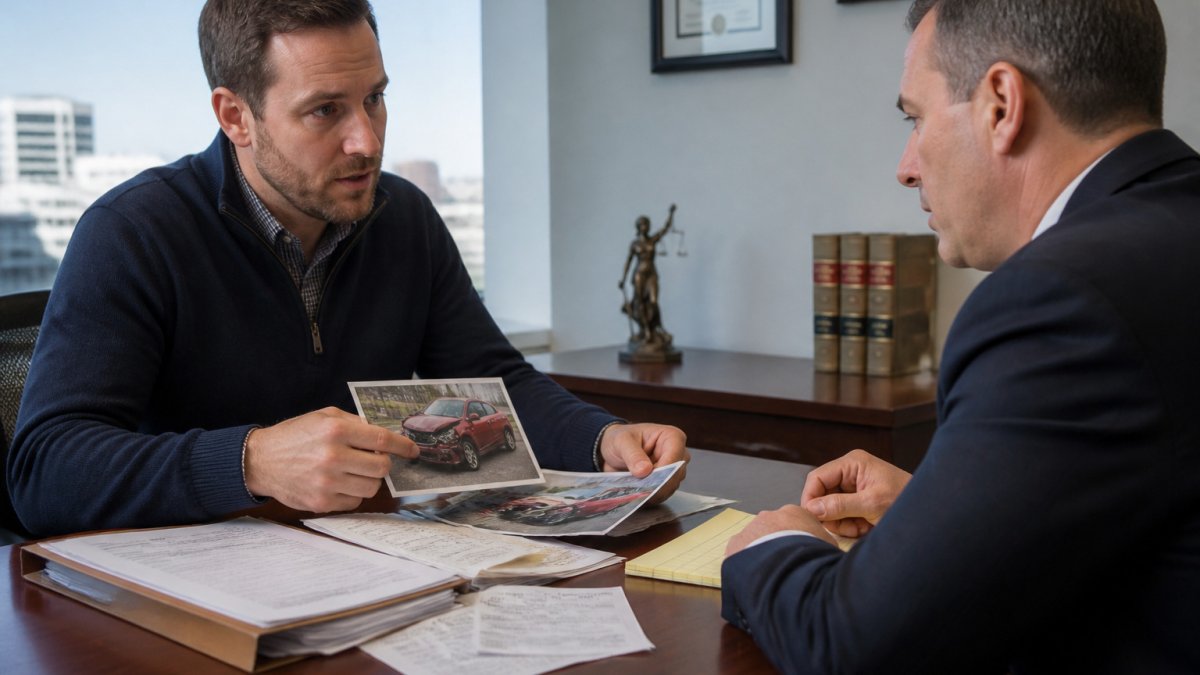
Insurance information matters too. Bring the policy details of everyone involved, along with any letters or settlement offers you have received. A written timeline of what happened can help the attorney evaluate your situation.
How Fees and Case Timelines Typically Work
Fee arrangements vary across personal injury firms, so ask each firm to explain its terms and confirm them in a written fee agreement before you proceed.
Timelines depend on the facts, the injuries involved, the number of parties, and whether the case settles or goes to court. Some claims resolve in months, while others take years. No attorney can promise a specific timeline or result.
Booking Your Free Confidential Case Review with D’Intino Law
If you are weighing your options after an injury in Philadelphia, D’Intino Law invites you to contact the firm to request a Free Confidential Case Review. During that conversation, the firm can discuss your concerns and explain potentially available legal options. Reaching out does not create an attorney-client relationship, and any representation requires the firm’s express acceptance and a signed engagement agreement. You can also learn more about the firm’s personal injury practice and the attorney’s background.
Legal Disclaimer: This article is provided by D’Intino Law Firm, LLC for general informational and educational purposes only and does not constitute legal advice, a legal opinion, or a recommendation regarding any specific legal matter. Laws, regulations, and court decisions may change, and the information presented may not reflect the most current legal developments or apply to your particular circumstances. No attorney-client relationship is created by reading, accessing, downloading, or relying on this article or any other content on DintinoLaw.com, or by contacting the firm through this website, email, telephone, or other means; an attorney-client relationship is established only through the firm’s express acceptance of the representation and any required engagement agreement. No reader should act or refrain from acting based solely on this content without seeking advice from a qualified attorney regarding their individual circumstances. The firm makes no guarantee as to the accuracy, completeness, or applicability of the information to any particular situation and disclaims liability to the fullest extent permitted by applicable law for actions taken or not taken in reliance on this content. References to legal developments, case outcomes, or potential remedies are illustrative only and do not guarantee similar results. Links to third-party websites are provided for convenience and do not constitute an endorsement of their content. Submission of information through this website does not guarantee confidentiality or representation. This disclaimer does not limit any duty or obligation that cannot lawfully be disclaimed under applicable law.
Frequently Asked Questions
How do I choose a personal injury lawyer in Philadelphia?
Start by confirming the lawyer handles personal injury claims like yours, such as car, truck, motorcycle, slip and fall or medical malpractice cases. Check how long the attorney has practiced, whether they have tried cases in Philadelphia courts, and how they communicate with clients. Read reviews, but also ask directly how often they update you. Pennsylvania law sets deadlines for filing claims, so contact a lawyer early. Many firms offer a free consultation, which lets you compare several attorneys before deciding.
What should I ask a Philadelphia personal injury lawyer during a consultation?
Ask who will handle your case day to day, how fees are structured, and what costs you may be responsible for if the case does not succeed. Ask about similar cases the firm has handled and how it approaches negotiations with insurers. Find out how long a claim like yours may take and what information the firm needs from you. The answers depend on the facts of your case, so use the meeting to decide whether the lawyer is a good fit.
How do personal injury lawyers in Pennsylvania typically charge?
Many personal injury attorneys in Pennsylvania work on a contingency basis, meaning they collect a percentage of any recovery rather than charging hourly. The percentage and how case expenses are handled should be written in a fee agreement that you review before signing. Ask whether the percentage changes if the case goes to trial. Terms vary between firms and cases, so confirm the details directly with any lawyer you consider.
What should I bring to a personal injury lawyer consultation?
Bring any police or accident reports, photographs of the scene and your injuries, medical records and bills, insurance correspondence, and names and contact information for witnesses. A list of your work absences and related expenses can also help. Writing down a timeline of events while they are fresh can make the meeting more productive. Bringing organized documents allows the attorney to evaluate your situation more accurately.

