


Attorney
Table of Contents
- What Happens After an Arrest in Philadelphia
- Understanding Your Criminal Charges and Court Structure
- The Preliminary Hearing in Pennsylvania
- Bail Decisions and Release Conditions
- How to Prepare for a Criminal Defense Lawyer Consultation
- How to Get a Disorderly Conduct Charge Dropped
- Next Steps: Protecting Your Freedom and Future
- Frequently Asked Questions
Last Updated: October 19, 2026
What Happens After an Arrest in Philadelphia
Getting arrested is frightening. Your mind races. You’re unsure what comes next. Understanding how to handle Philadelphia criminal charges helps you protect your rights and make smart decisions. The first hours matter most.
Arrest Processing and Your Rights
When police arrest you, they take you to a police station for processing. This includes recording your personal information, taking your photograph and fingerprints, and documenting the alleged crime. You have rights during this time.
You have the right to remain silent. Anything you say can be used against you in court. Police must tell you this before questioning. You also have the right to speak with a lawyer. Tell the officer you want a lawyer immediately.
Police may hold you for up to 72 hours before bringing you before a judge. During this time, they may try to question you. Stay calm. Request your lawyer. Do not sign anything without legal advice.
Talking to police without a lawyer present is a common mistake that hurts your case later. Even if you think you’re innocent, your words can be twisted or misunderstood. Stay silent until your attorney arrives.
The 72-Hour Arraignment Timeline
Pennsylvania law requires that you be brought before a judge within 72 hours of arrest. This hearing is called an arraignment. The judge will inform you of the charges against you and explain your rights.
At the arraignment, several things happen:
- The judge reads the charges
- You learn about bail or release conditions
- You may enter an initial plea
- A preliminary hearing date is set
This is not the time to plead guilty or not guilty in most cases. Your lawyer will advise you on the best approach. The arraignment is typically brief. Its main purpose is to inform you of charges and bail decisions.
If you cannot afford a lawyer, you can request a public defender at this hearing. Tell the judge you need financial help to pay for legal representation. The judge will review your income and decide if you qualify.
Pennsylvania Court Rules on Arraignment Procedures
Understanding Your Criminal Charges and Court Structure
Criminal charges in Pennsylvania fall into two main categories: misdemeanors and felonies. The severity of the charge affects where your case is heard and what penalties you may face. Knowing the difference helps you understand what to expect.
Misdemeanor vs. Felony Charges
Misdemeanor charges are less serious crimes. They include disorderly conduct, simple assault, shoplifting, and DUI in some cases. Misdemeanors carry penalties up to two years in jail and fines.
Felony charges are more serious crimes. They include robbery, aggravated assault, drug dealing, and firearms violations. Felonies can result in years or decades in prison.
The charge level determines which court handles your case. Misdemeanors start in Municipal Court. Felonies start in Municipal Court but may be transferred to the Court of Common Pleas if there is probable cause.
Understanding your specific charge is critical. Ask your attorney to explain exactly what you’re accused of and what the potential penalties are. Different charges carry different consequences.
Many people don’t realize that some charges can be reduced or dismissed before trial. Your attorney may find procedural errors, illegal searches, or weak evidence that strengthens your position. Early action matters.
Municipal Court and the Court of Common Pleas
Municipal Court handles misdemeanor cases and the initial stages of felony cases. These courts have limited jurisdiction, meaning they can only impose sentences up to two years in jail.
The Court of Common Pleas handles felony trials and appeals. This is where serious criminal cases are decided.
The transfer process is important. At a preliminary hearing in Municipal Court, the prosecution must prove probable cause. If they cannot, the case may be dismissed.
At D’Intino Law, we understand both court systems. We know how judges in each court approach cases. We prepare aggressively for preliminary hearings because winning there can change everything.
The Preliminary Hearing in Pennsylvania
The preliminary hearing is your first real chance to challenge the prosecution’s case. This is not a trial, but it is a critical opportunity. Many cases are dismissed or weakened at this stage if your attorney prepares properly.
What the Prosecution Must Prove
At a preliminary hearing, the prosecution must show probable cause that you committed the crime. Probable cause means there is enough evidence to believe a crime occurred and that you did it.
The prosecution typically calls police officers and witnesses to testify. They present evidence like documents, photographs, or recordings. Your attorney can cross-examine these witnesses. This is your chance to challenge their story and expose weaknesses.
If the judge finds no probable cause, the case is dismissed. If the judge finds probable cause exists, your case moves forward. Even if probable cause is found, a strong preliminary hearing can help your case later.
A preliminary hearing is not a trial. You do not need to prove your innocence. The prosecution must prove probable cause. Your attorney’s job is to challenge their evidence and create doubt.
Preparing for Your Hearing
Preparation is everything. Your attorney needs to know the details of your arrest, the evidence against you, and the witnesses involved. Review police reports carefully. Look for errors or inconsistencies. These can be challenged in court.
Attend all meetings with your attorney. Bring any documents or evidence that helps your case. Tell your lawyer everything, even details you think are unimportant. Attorney-client conversations are private. Your lawyer needs the full picture.
Dress professionally for your hearing. Arrive early. Show respect for the court. Judges notice these things. Your demeanor matters. (Source: Pennsylvania Consolidated Statutes)
Bail Decisions and Release Conditions
After arrest, the judge decides whether to release you and on what conditions. This is called a bail hearing. The goal is to secure your release while your case moves forward.
The judge considers several factors:
Free Confidential Case Review →
- The severity of the charge
- Your criminal history
- Your ties to the community
- Whether you are a flight risk
- Your employment and family situation
The judge may release you on your own recognizance, meaning you promise to return to court. The judge may set bail, which is money you pay to secure your release.
If you cannot afford bail, you can ask the judge to lower it or release you without bail. Your attorney can argue for reasonable conditions.
If you violate release conditions, you can be arrested again and held without bail. Take these conditions seriously. Missing court is a serious violation that makes your situation worse.
Pennsylvania Bail Reform Laws and Release Options
How to Prepare for a Criminal Defense Lawyer Consultation
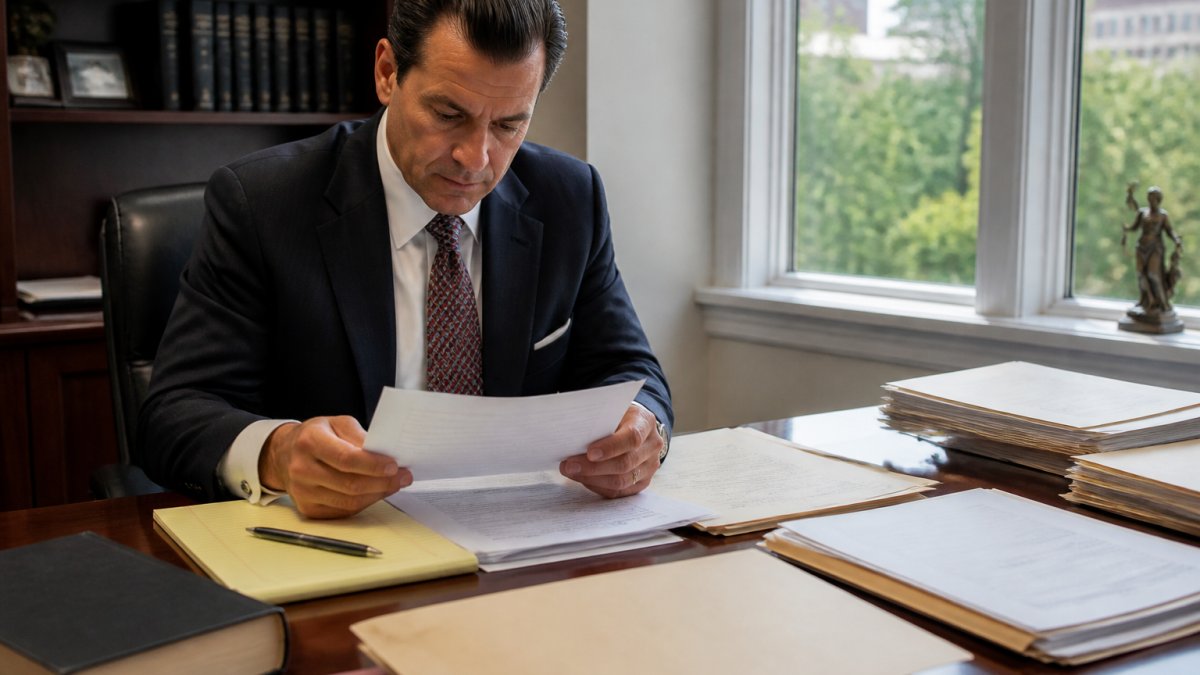
Finding the right criminal defense attorney is one of the most important decisions you will make. The consultation is your chance to assess whether an attorney is right for you. Come prepared.
Documents and Information to Gather
Bring everything related to your case:
- Your arrest paperwork and charges
- Police reports and incident reports
- Any written statements you gave
- Bail or release paperwork
- Court notices and hearing dates
- Photographs or evidence from the scene
- Contact information for witnesses
- Your employment and financial records
The more information you provide, the better your attorney can assess your situation. Write down a timeline of events. Include dates, times, and who was present. Write down the names of officers involved in your arrest.
Bring your ID and proof of residence. Your attorney may need this for paperwork. Bring a list of questions you want to ask.
Questions to Ask Your Attorney
Do not be shy about asking questions. A good attorney welcomes them. Ask about their experience with cases like yours. Ask how many cases they have taken to trial.
Ask about fees and payment plans. Ask about communication. How often will you hear from them? How quickly do they respond to calls and emails?
At D’Intino Law, we believe in transparency. We explain your case clearly. We tell you what we see, the challenges ahead, and what we recommend. We’re available 24/7 for urgent questions.
Ask your attorney if they have handled cases in the specific court where your case will be heard. Philadelphia courts have different judges with different approaches. Local experience matters.
How to Get a Disorderly Conduct Charge Dropped
Disorderly conduct is one of the most common charges in Philadelphia. It is often charged alongside other crimes.
Disorderly conduct means engaging in conduct that serves no legitimate purpose and tends to cause public alarm or annoyance. This is vague.
The vagueness of the charge is your advantage. Police often use it when they are not sure what else to charge. Prosecutors sometimes overreach.
Many disorderly conduct cases are dismissed at the preliminary hearing because the prosecution cannot prove probable cause. Police testimony alone is often not enough.
If you were arrested for disorderly conduct, ask your attorney to review the police report carefully. Look for errors. Look for testimony that contradicts the police version.
Do not ignore a disorderly conduct charge thinking it is minor. Even misdemeanor convictions can affect employment, housing, and professional licenses. Take every charge seriously and fight it with your attorney’s help.
Next Steps: Protecting Your Freedom and Future
After an arrest, your next move is critical. Contact a criminal defense attorney immediately. Do not wait. The sooner your attorney is involved, the better they can protect your rights.
Your attorney will:
- Review all police reports and evidence
- Identify weaknesses in the prosecution’s case
- Prepare for your preliminary hearing
- Negotiate with the District Attorney if appropriate
- Prepare for trial if necessary
- Protect your freedom and reputation
Learning how to handle Philadelphia criminal charges is essential because they can change your life. A conviction can affect employment, housing, professional licenses, and your future.
Do not talk to police without your attorney present. Do not post about your case on social media. Do not contact witnesses or victims. Follow your release conditions exactly. Attend every court hearing.
Pennsylvania Criminal Procedure Rules and Defendant Rights
If you’re facing criminal charges in Philadelphia or the surrounding counties, you need experienced legal representation immediately. At D’Intino Law, we have over two decades of trial experience defending clients against serious charges including DUI, drug crimes, assault, and firearms violations.
Frequently Asked Questions
What should I do first after being arrested or charged?
Your first priority is to remain calm and exercise your right to remain silent. Do not answer police questions without an attorney present. Ask to speak with a criminal defense attorney immediately. If you cannot afford one, you have the right to request a public defender at your preliminary arraignment. Contact a trusted family member or friend who can help you secure legal representation. Write down details about your arrest while they are fresh in your memory, but do not discuss the case with anyone except your attorney.
What happens during the preliminary hearing in Pennsylvania?
The preliminary hearing gives the prosecution a chance to present evidence that probable cause exists to believe you committed the crime. The District Attorney typically presents witness testimony and physical evidence. Your criminal defense attorney can cross-examine witnesses and challenge the evidence. The judge then decides whether enough evidence exists to proceed. This hearing is critical because it is your first opportunity to challenge the charges and gather information about the prosecution’s case.
How can I get a disorderly conduct charge dropped?
A disorderly conduct charge can be dismissed if the evidence does not support the allegations, if your conduct was protected speech or lawful conduct, or if procedural violations occurred during your arrest. Your criminal defense attorney can file motions to suppress evidence, challenge witness credibility, or negotiate with the District Attorney for dismissal. Many disorderly conduct charges are resolved through plea agreements or diversion programs. An experienced attorney can evaluate the specific facts of your case and identify the strongest path to dismissal.
How do I know if I should accept a settlement offer or go to trial?
This depends on the strength of the evidence against you, the severity of the charges, potential penalties, and your personal circumstances. Your criminal defense attorney should explain the prosecution’s case, your defense options, and likely outcomes if you proceed to trial. A settlement offer may be reasonable if it avoids serious consequences, but it should never be accepted without understanding the full impact on your record and future. An experienced attorney can guide you through this decision by comparing the risks and benefits specific to your situation.
