


Attorney
Table of Contents
- Immediate Actions: The First Minutes After Arrest
- Exercise Your Right to Remain Silent After Arrest
- Request a Criminal Defense Attorney Immediately
- What Happens After Being Arrested: Booking and Detention
- Understanding Bail, Bond, and Release Options
- What to Do After a DUI Arrest
- How to Find a Criminal Defense Lawyer After an Arrest
- After Release: What Comes Next
- Frequently Asked Questions
Last Updated: October 18, 2026
Immediate Actions: The First Minutes After Arrest
Being arrested is disorienting. The steps you take in those first minutes can shape everything that follows. Your goal: stay safe, protect your rights, and avoid statements that will be used against you.
Stay calm and comply with lawful officer instructions
When police tell you that you’re under arrest, your instinct may be to panic or argue. Don’t. Staying calm is the most important thing you can do.
Comply with lawful orders. If an officer tells you to put your hands up, do it. If they tell you to step out of a car, do it.
Keep your hands visible and avoid sudden movements. Police are trained to treat sudden movements as a threat, which can escalate the situation fast.
Speak in a calm, civil tone. Angry outbursts or sarcasm can be used against you later and may provoke an officer to escalate.
Do not resist arrest or argue with officers
Resisting arrest is a separate criminal charge. Whether the arrest is fair or legal is for a judge to decide later.
Don’t argue about why you’re being arrested, explain your side, or demand the charges.
Physical resistance is obviously a bad idea, but verbal resistance counts too. Telling an officer they have no right to arrest you, or that you did nothing wrong, is still resistance.
If the arrest is unlawful, your attorney can challenge it later. Right now, the only thing that matters is getting safely through the arrest process.
Exercise Your Right to Remain Silent After Arrest
The right to remain silent is one of your most powerful protections. Most people don’t use it effectively because they don’t understand what it means or when it applies.
Understand your Miranda rights
Miranda rights are the warnings police must give you before they question you while you’re in custody. You have the right to remain silent. Anything you say can be used against you in court. You have the right to an attorney.
Police must read these rights before interrogating you, but not necessarily at the moment of arrest, only before questioning.
Even if police don’t read you your rights, you always have the right to remain silent, it’s built into the Constitution. If they violate Miranda by questioning you without reading your rights, your statements might not be admissible in court.
Do not answer questions without legal counsel
This is where most people make a critical mistake. They think explaining what happened will clear things up. It won’t.
Police are trained interrogators whose job is to get you to say something usable against you.
Anything you say without a lawyer present can be used against you, even if you think you’re innocent, explaining yourself, or being helpful.
The right steps to take after being arrested include this one above all others: say nothing until your attorney is present.
Once you say those words, police must stop questioning you.
Avoid consenting to searches
Police may ask to search your car, home, phone, or person. Don’t consent, you don’t have to, even if you have nothing to hide.
A search without your consent requires a warrant or probable cause. If they’re asking permission, it’s likely because they don’t have probable cause. Don’t give it to them.
Say clearly: “I do not consent to any searches.” Don’t be rude about it. Just be clear.
If police search anyway without consent or a warrant, your attorney can challenge it in court, and evidence found in an illegal search can be thrown out.
Request a Criminal Defense Attorney Immediately
Don’t plan for this later. Do it now, while you’re still at the police station and before any questioning.
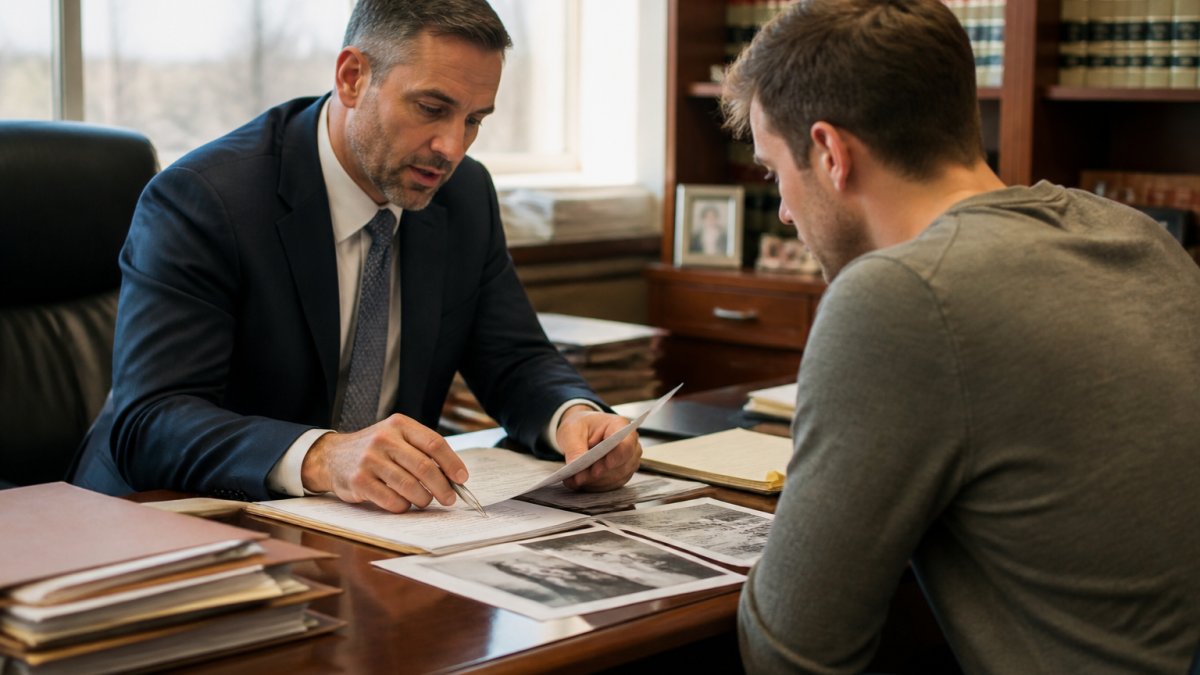
Ask for a criminal defense attorney clearly, more than once if needed.
You have a right to an attorney, and if you can’t afford one, to a court-appointed attorney.
Don’t wait to see if they charge you or until your first court appearance.
At D’Intino Law, we understand the urgency. We’re available 24/7 for clients who need immediate legal representation after an arrest.
What Happens After Being Arrested: Booking and Detention
After you’re arrested, you’re taken to a police station or county jail for booking. This is a process, not a punishment. But it’s important to understand what happens.
Booking, fingerprinting, and photographing procedures
At booking, police collect your name, address, date of birth, and emergency contact, and ask about your medical history and medications. Answer these, it’s administrative information, not interrogation.
You’ll be fingerprinted and photographed (a mugshot). This is standard procedure, and you don’t have a choice about it.
Police may also collect DNA samples, take a blood test for alcohol or drugs, or conduct other tests. You can refuse some of these tests, but refusal itself can have consequences.
During booking, police may try to get you to talk about the charges or what happened. Don’t. Stick to your decision to remain silent and wait for your attorney.
Contact family and address urgent needs while in custody
Tell the booking officer you need to contact family or your employer. You have a right to a phone call, use it to call your lawyer, or a family member who can help you find one. (Source: the Sixth Amendment to the Constitution)
Tell the booking officer about any regular medications, medical conditions, or medical emergencies immediately.
If you have children or dependents who need care, tell the officer, they may help you contact someone to care for them.
Free Confidential Case Review →
These are practical issues that need attention. Handling them early prevents complications later.
Understanding Bail, Bond, and Release Options
After booking, you’ll be taken before a judge for an initial appearance. This usually happens within 24 to 72 hours of arrest. At this appearance, the judge will decide whether to release you and under what conditions.
Initial appearance and bail hearing timeline
At your initial appearance, the judge tells you the charges and your rights. You’ll have a chance to speak, though your attorney will usually do most of the talking.
The judge will consider whether you’re a flight risk and whether you’re a danger to the community.
If the judge sets bail, you can pay the full amount, use a bail bondsperson (who typically charges a fee and posts the bail for you), or ask the judge to reduce it.
The initial appearance is critical, it’s where your attorney can start fighting for your release. The sooner you have representation, the better prepared your attorney can be.
What to Do After a DUI Arrest
A DUI arrest in Pennsylvania involves additional steps and deadlines that are different from other criminal arrests. Understanding these steps is essential.
License suspension and Administrative License Suspension (ALS)
A DUI arrest often triggers an immediate driver’s license suspension, an administrative action separate from the criminal case.
You have a limited time to request a hearing on the suspension, and the deadline depends on your arrest circumstances. Missing it means losing your license, so your attorney needs to file right away.
At the hearing, the state must prove that you were driving and that your blood alcohol content was above the legal limit or that you refused a chemical test. Your attorney can challenge the evidence and cross-examine the officer.
Chemical testing and your rights
If police ask for a breath, blood, or urine test, you can refuse, but refusal has consequences. Your license can be suspended longer, and refusal can be used against you in court.
Your attorney needs to advise you on whether to take the test. This depends on the specific facts of your case. But you need that advice before you decide.
If a test result is above the legal limit, your attorney can challenge it, the equipment may not have been properly maintained, the officer may not have been properly trained, or the result may be inaccurate.
How to Find a Criminal Defense Lawyer After an Arrest
You need a criminal defense attorney, not a general practice or real estate lawyer, with experience in the charges you’re facing.
What to look for in legal representation
Look for trial experience. Many criminal cases resolve through plea agreements, but some go to trial, and you want an attorney who isn’t afraid to go to court.
Look for an attorney who has handled cases like yours, DUI experience for a DUI, assault experience for assault charges.
Look for an attorney who will be available to you. Criminal cases move fast, and you need to reach your attorney when you need them.
Ask about the attorney’s track record. Not just convictions and acquittals, but how they handle negotiations with prosecutors. A good attorney can often get charges reduced or dismissed before trial.
24/7 availability and rapid response
Arrests often happen at night or on a weekend, so you need an attorney who can respond immediately. D’Intino Law is available 24/7, and when you call, you’re connected with an attorney who can advise you right away.
Rapid response matters. The sooner your attorney is involved, the sooner we can protect your rights, advise you on what to say, file motions to suppress evidence, and start building your defense.
After Release: What Comes Next
Being released from custody is not the end of the process. It’s the beginning of your criminal case. You have obligations and deadlines you need to meet.
Understanding release conditions and compliance
When the judge releases you, they may impose conditions: staying away from certain people or places, attending counseling or treatment, or checking in with a pretrial services officer.
Take these conditions seriously. Violating them can result in your arrest and detention. It can hurt your case.
Your attorney will explain your conditions and how to comply. Follow that advice.
Keep all appointments. Show up on time for court. Don’t miss any deadlines. Your attorney will remind you of important dates, but ultimately, it’s your responsibility.
Preserving evidence and gathering witness information
Your memory is fresh now.
Look for video, a security camera at the location or someone recording on their phone.
Gather any documents that might help your case. Text messages. Emails. Receipts. Medical records. Anything that supports your version of events.
Don’t contact witnesses yourself. Let your attorney do that, witnesses may feel pressured or intimidated if the defendant contacts them directly.
Being arrested is a crisis. But you can get through it. Stay calm. Exercise your rights. Get a lawyer immediately.
At D’Intino Law, we know the system. We know how to protect your rights and build your defense. We’re available 24/7.
Frequently Asked Questions
What should you do first after being arrested?
Stay calm and comply with lawful officer instructions. Do not resist arrest or argue with officers, as this can result in additional charges. Once arrested, invoke your right to remain silent and ask for a criminal defense attorney immediately. Do not answer any questions from law enforcement without your attorney present. Request to contact family or a lawyer as soon as possible.
Is it better to remain silent when arrested?
Yes. Exercising your right to remain silent is one of your most important protections. Anything you say can be used against you in court. Even if you believe you’re innocent, statements made without legal counsel can be misinterpreted or used strategically by prosecutors. Always wait until your criminal defense attorney is present before discussing your case with anyone in law enforcement.
What happens after someone is taken to jail?
After arrest, you’ll be taken to a police station or county jail for booking. This process includes recording personal information, taking fingerprints and photographs, and conducting a background check. You’ll be informed of charges and your rights. Within a specific timeframe, you must be brought before a judge for an initial appearance where bail or bond conditions are set. During this time, you can contact family and request an attorney.
When should you contact a criminal defense lawyer after an arrest?
Contact a criminal defense lawyer immediately after arrest. Many attorneys, including D’Intino Law, offer 24/7 availability for urgent legal matters. The sooner you have legal representation, the sooner your attorney can protect your rights, advise you during questioning, and begin building your defense. Do not delay seeking counsel, early intervention can significantly impact your case outcome.
