

Attorney
Last Updated: November 24, 2026
Quick Summary
A motorcycle accident lawyer in Philadelphia is a personal injury attorney who handles claims for injured riders. You need one when liability is disputed, injuries are serious, or an insurer’s offer does not cover your losses. Riders are often pressured into quick settlements before the full extent of their injuries is known.
- After a crash, call 911 and get medical attention even if you feel fine.
- Photograph the scene, vehicles, gear, and injuries, and collect witness contact details.
- Notify your insurer a crash occurred, but do not give a recorded statement.
- Pennsylvania follows a modified comparative negligence rule that reduces recovery by your share of fault.
- Do not sign a release until treatment is complete and the full injury scope is understood.
Table of Contents
- Do You Need a Motorcycle Accident Lawyer in Philadelphia?
- Why riders face unfair fault assumptions
- What to Do After a Motorcycle Accident in Philadelphia
- Motorcycle Accident Evidence Checklist
- Who May Be Liable and How Pennsylvania Fault Rules Work
- Insurance Claims and Motorcycle Accident Settlement Timeline
- Motorcycle Accident Lawyer Consultation Questions
- Get a Free Confidential Case Review
- Frequently Asked Questions
Do You Need a Motorcycle Accident Lawyer in Philadelphia?
A motorcycle accident lawyer in Philadelphia is a personal injury attorney who handles claims for injured riders. At D’Intino Law, we see riders pressured into quick settlements before the full extent of their injuries is known. (Source: National Highway Traffic Safety Administration (NHTSA) data)
Riders can face a harder fight than drivers after a crash, because insurers and jurors sometimes assume the motorcyclist was speeding or riding recklessly. A lawyer’s job starts with rebuilding the facts: speed, sight lines, and the other driver’s failure to yield.
Below, we cover what to do in the first 48 hours, how Pennsylvania fault rules work, and how to judge a settlement offer before you sign.
Why riders face unfair fault assumptions
The assumption that riders are reckless is the single biggest obstacle in these cases. It shapes how police reports get written, how adjusters value claims, and how witnesses describe what they saw.
That bias is not evidence. It is a starting position, and it can be challenged with skid marks, vehicle damage patterns, and witness statements.
What to Do After a Motorcycle Accident in Philadelphia
After a motorcycle accident in Philadelphia, your priorities in order are medical care, scene documentation, and avoiding recorded statements to insurers. Everything else can wait a day; these three cannot.
The first 48 hours, in order
- Call 911 and get medical attention, even if you feel fine.
- Photograph the scene, the vehicles, your gear, and your visible injuries.
- Collect names and contact details from witnesses.
- Ask the responding officer how to obtain the police report.
- Notify your insurer that a crash occurred, without giving a recorded statement.
- Keep every medical record, receipt, and repair estimate.
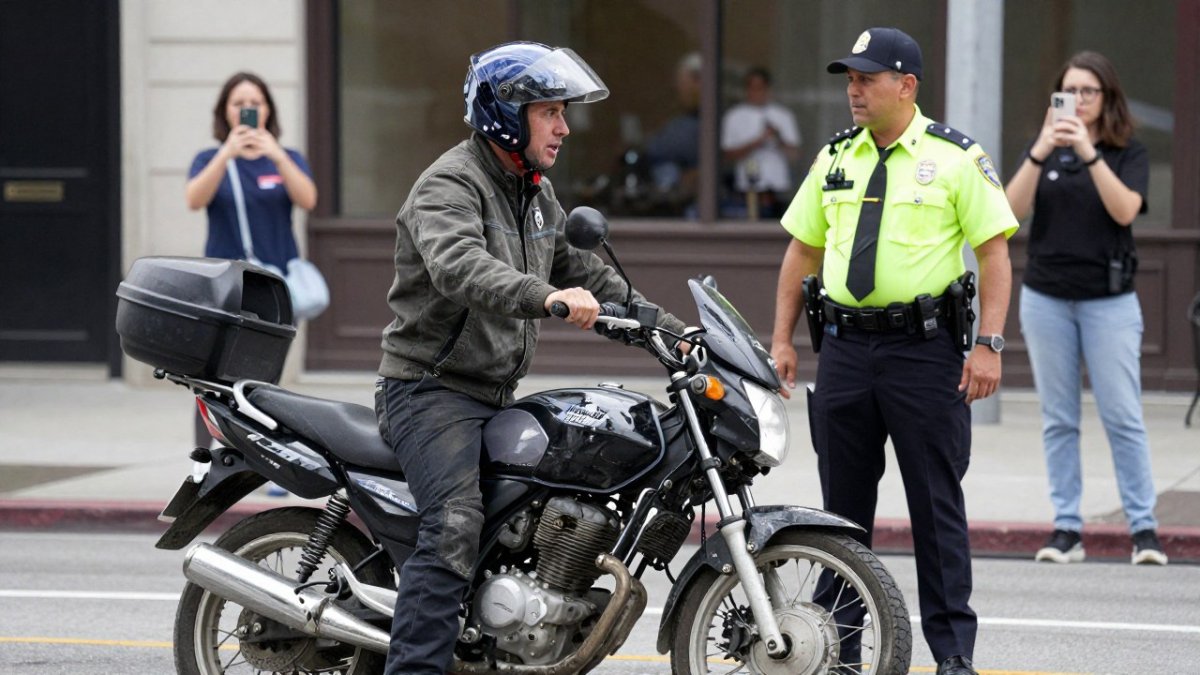
Here are the first steps to take, in the order the article recommends them.
| Step | What to do |
|---|---|
| 1 | Call 911 and get medical attention, even if you feel fine |
| 2 | Photograph the scene, vehicles, gear, and visible injuries |
| 3 | Collect names and contact details from witnesses |
| 4 | Ask the responding officer how to obtain the police report |
| 5 | Notify your insurer, without giving a recorded statement |
| 6 | Keep every medical record, receipt, and repair estimate |
Motorcycle Accident Evidence Checklist
Evidence decides motorcycle claims, and it disappears fast. Use this checklist to preserve what matters:
- Police report number and responding department
- Photographs of the scene from multiple angles, including road surface and sight lines
- Contact details for every witness
- Your helmet, jacket, and boots, kept and not repaired
- Medical records, imaging, and treatment notes
- Repair estimates and property damage photos
Who May Be Liable and How Pennsylvania Fault Rules Work
Liability in a motorcycle crash is rarely limited to the driver who hit you. A thorough investigation usually asks whether more than one party contributed, because each additional responsible party can add another insurance policy to the claim.
Parties who may share responsibility
- The other motorist. Failure to yield, unsafe lane changes, following too closely, distracted driving, and driving under the influence are common causes.
- The vehicle owner. If the driver was operating someone else’s car with permission, the owner’s policy may also apply.
- An employer. If the driver was working at the time of the crash, the employer may be responsible under respondeat superior principles (respondeat superior | Wex | US Law).
- A manufacturer or distributor. Defective brakes, tires, forks, or helmet components can support a products liability claim.
- A government entity. Poorly maintained road surfaces, missing signage, obscured sight lines, and unsafe construction zones can create liability, though claims against Pennsylvania municipalities and the Commonwealth carry shorter notice deadlines and statutory caps.
- A repair shop or maintenance provider. Negligent service work that caused a mechanical failure may bring another party into the case.
How Pennsylvania’s fault rule actually works
Pennsylvania follows a modified comparative negligence rule. Pennsylvania follows a modified comparative negligence rule, under which an injured person’s recovery is reduced by their own share of fault (Section 7102.0 – Title 42). Consult the official Pennsylvania statutes for the exact threshold and current text.
Because the fault percentage directly reduces what can be recovered, fault evidence matters greatly in motorcycle cases, where adjusters are often inclined to blame the rider.
Why riders get blamed, and how that is countered
A common pattern is for an adjuster to assert that the rider was speeding, lane-splitting, or riding beyond their skill level, often based on nothing more than the fact that the vehicle involved was a motorcycle.
Evidence that commonly rebuts an unsupported fault assumption includes:
- Event data recorder information from the other vehicle, where available
- Skid marks and debris patterns that establish speed and point of impact
- Damage profiles on both vehicles that show who struck whom
- Traffic camera or nearby business surveillance footage
- Witness statements taken early, before memories are shaped by later accounts
- Accident reconstruction analysis of sight lines and reaction time
How fault interacts with other rules
Fault percentages also affect how insurance responds. If the other driver is uninsured or underinsured, the rider’s own uninsured/underinsured motorist coverage may step in, and the fault analysis can shape how that claim is evaluated. If a government entity is involved, special notice requirements may apply and can expire earlier than other deadlines. (Source: Pennsylvania’s comparative negligence statute)
For a deeper explanation of the elements of negligence and how fault rules apply, read our guide on how to prove negligence in Pennsylvania.
Insurance Claims and Motorcycle Accident Settlement Timeline
Most motorcycle claims move through four stages: investigation, demand, negotiation, and resolution. Straightforward claims may resolve in months; disputed ones take longer. What riders often do not realize is that Insurance rules for motorcycles can differ from the rules for cars, and that difference can shape a claim.
How Pennsylvania motorcycle coverage differs from auto coverage
Pennsylvania’s Motor Vehicle Financial Responsibility Law requires owners of motorcycles to carry liability coverage, but motorcycles are treated separately from private passenger cars in several important ways.
Riders should review their motorcycle policy early, since coverage can differ from a car policy.
Which policies may apply to a single crash
A single motorcycle crash can implicate several policies at once:
- The at-fault driver’s liability policy
- The at-fault driver’s employer’s policy, if the driver was working
- The rider’s own uninsured/underinsured motorist coverage
- The rider’s medical payments coverage
- A household auto policy, in some circumstances, if the rider is a covered insured under it
- Health insurance, which may pay bills subject to reimbursement rights
Stacking rules, household exclusions, and policy definitions determine which of these actually respond, and the order matters because each policy has its own limits and its own adjuster.
What drives the value of a motorcycle claim
Claim value is not a single formula. The factors that most often move the number are:
- The nature and severity of the injuries, including whether there is a traumatic brain injury, spinal injury, fracture, or road rash requiring grafting
- The cost of past and future medical care, documented through records, imaging, and treating-physician opinions
- Lost earnings and lost earning capacity, supported by wage records and, where relevant, vocational evidence
- Whether the injury meets the serious injury threshold if limited tort applies
- The clarity of fault, and whether the rider’s percentage can be kept low
- The available insurance limits, because a strong claim against a minimum-limits policy still recovers only what that policy provides
No attorney can promise a specific figure, and any page that advertises one should be read with caution. What a lawyer can do is document each factor thoroughly so the demand reflects the actual losses.
The settlement timeline, stage by stage
- Investigation. Records are collected, the police report is obtained, the vehicles are inspected, and witnesses are interviewed. This stage often takes weeks to a few months.
- Treatment. A demand is usually not sent until the rider has reached maximum medical improvement or the treating providers can state a prognosis, because settling before that point risks undervaluing future care.
- Demand and negotiation. A demand package is sent to the adjuster, who responds with an offer or a request for more information. Negotiation may take several rounds.
- Resolution. If the parties agree, a release is signed and the claim closes. If they do not, a lawsuit is filed and the case moves into litigation, which can add many months.
Watch out: signing a release ends the claim permanently, even if new injuries surface later. Riders should not sign anything until treatment is complete and the full scope of the injury is understood.
Dealing with adjusters
Adjusters are not neutral. They work for the insurer, they record calls, and they are trained to gather statements that can later be used to reduce or deny a claim. A rider can notify their own insurer that a crash occurred without giving a recorded statement, and can decline to discuss fault until they have spoken with counsel.
If you are still deciding whether representation is worth it, our motorcycle crash guide covering Pennsylvania rider rights and recovery explains what a claim can include.
Motorcycle Accident Lawyer Consultation Questions
Bring these questions to any consultation:
- Who will handle my case day to day?
- How are fees structured, and what costs are separate?
- What is your experience with motorcycle crash claims?
- How will you communicate updates?
- What is your honest assessment of fault and damages?
Get a Free Confidential Case Review
Motorcycle claims reward preparation and punish delay. Evidence fades, witnesses move, and insurers count on riders accepting fast, low offers.
D’Intino Law offers direct attorney involvement, flexible payment options, and 24/7 availability for urgent matters. We treat every client as an individual, not a case number.
Get started with D’Intino Law and request a free confidential case review of your motorcycle claim.
Frequently Asked Questions
How much are most motorcycle accident settlements?
There is no standard settlement figure. Compensation depends on the severity of the injuries, the available insurance coverage, lost income, and how clear the liability evidence is. A claim with surgery, months of rehabilitation, and a documented lost wage history looks very different from a soft-tissue injury that resolves in weeks. Any lawyer who quotes a number before reviewing your medical records and the police report is guessing. Ask for a free case evaluation and a realistic range based on your own records.
Can I pursue a claim if I was partly at fault in Pennsylvania?
Pennsylvania follows modified comparative negligence. Because riders are often blamed automatically after a crash, the evidence you gather early, including witness statements and video, matters enormously in rebutting a fault assumption. An experienced motorcycle accident lawyer will build that record before speaking with the insurance adjuster.
When should I contact a lawyer after a motorcycle accident?
Contact a lawyer as soon as practical, ideally within the first few days. Evidence disappears quickly: surveillance video is overwritten, witnesses move, and vehicle damage gets repaired. Statutes of limitations apply to personal injury claims, and waiting even a few weeks can weaken a case. Early involvement lets an attorney preserve evidence, coordinate with medical providers, and handle insurer contact so you are not pressured into a recorded statement.
What should I avoid saying to a motorcycle accident lawyer?
Do not minimize your injuries, speculate about speed or fault, or say you are fine. Do not withhold prior injuries or prior claims; your lawyer needs the full picture to prepare. Avoid guessing at numbers when asked about lost income, and bring documentation instead. Honest, complete information helps your attorney build a credible claim. The same caution applies to the insurance adjuster: decline recorded statements until you have spoken with counsel.

