


Attorney
Last Updated: October 25, 2026
Quick Summary
To prepare for preliminary hearing in Pennsylvania, meet with your criminal defense attorney to review the charges and evidence, gather supporting documents and identify witnesses, and discuss whether you should testify. Most preliminary hearings last between 30 minutes and two hours, and the judge will determine whether probable cause exists to move your case forward.
- Collect relevant documents including communications, medical records, employment information, and photos that support your account of events.
- Make a list of potential witnesses with their contact information and what they can testify about.
- Dress professionally, arrive early, bring your ID, and arrange time off work before the hearing.
- Ask your attorney about the prosecution’s case, possible outcomes, and whether you should testify at the hearing.
- Understand that if the judge finds probable cause, felony cases move to grand jury review and misdemeanors may proceed to trial.
Table of Contents
- Understanding Your Preliminary Hearing
- What to Bring to a Preliminary Hearing
- Questions to Ask a Criminal Defense Lawyer Before a Preliminary Hearing
- How Long Does a Preliminary Hearing Take in Pennsylvania?
- What Happens After a Preliminary Hearing in Pennsylvania
- Steps to Prepare for Your Hearing
- Getting Legal Representation for Your Preliminary Hearing
- Frequently Asked Questions
Understanding Your Preliminary Hearing
A preliminary hearing is a critical early stage in Pennsylvania’s criminal justice system where a judge decides whether enough evidence exists to move a case forward. This hearing happens after arrest but before trial. Knowing how to prepare for preliminary hearing can significantly impact your case’s trajectory.
The purpose of this hearing is straightforward: the prosecution must show probable cause that a crime occurred and that you committed it. The judge isn’t deciding guilt or innocence. Instead, they’re determining whether the evidence is sufficient to proceed to trial or grand jury.
Pennsylvania law governs how these hearings work. The rules are specific, and preparation matters. At D’Intino Law, we help clients navigate this critical stage with clear guidance on what to expect.
What to Bring to a Preliminary Hearing
Bringing the right documents and materials to your preliminary hearing is essential. Organization and preparation can influence how your case is presented.
Here’s what you should have ready:
- Identification and any court documents you’ve received
- A list of potential witnesses who can support your defense
- Medical records or evidence of injuries if relevant to your case
- Communications (texts, emails, letters) that support your account
- Work or school records that establish your whereabouts
- Photos or videos related to the incident
- Any written statements you’ve prepared with your attorney
Your attorney will guide you on which specific documents matter most for your situation. Some evidence may not be admissible at the preliminary stage, but having it organized helps your lawyer prepare effectively.
Watch out: Do not bring original documents you cannot afford to lose. Bring copies instead, and keep originals safe.
Questions to Ask a Criminal Defense Lawyer Before a Preliminary Hearing
Asking the right questions before your preliminary hearing ensures you understand the process and your options. These conversations with your attorney should cover the fundamentals.
Key questions to discuss with your lawyer:
- What exactly is the prosecution’s case against me based on?
- What evidence will they likely present at the hearing?
- What are the possible outcomes, and what happens after each one?
- Should I testify, or should my attorney cross-examine witnesses instead?
- What defenses are strongest given the facts and evidence?
- How long will the hearing likely take?
- What happens if the judge finds probable cause?
- Are there opportunities to negotiate or resolve this before trial?
- What should I wear and how should I behave in court?
- Will I need to take time off work, and for how long?
These questions help you prepare mentally and logistically. Your attorney can explain Pennsylvania law as it applies to your specific charges. Understanding the process reduces anxiety and helps you make informed decisions about your defense strategy.
How Long Does a Preliminary Hearing Take in Pennsylvania?
The length of a preliminary hearing varies based on the complexity of the case and the number of witnesses. Most preliminary hearings in Pennsylvania last between 30 minutes and two hours.
Simpler cases with fewer witnesses may wrap up quickly. More serious charges with multiple witnesses, expert testimony, or disputed evidence can take longer. The judge controls the pace and can set time limits on questioning.
You should plan to be at the courthouse for longer than the hearing itself. There’s time for check-in, waiting for the judge, and potential delays. Bring something to read or work on while you wait.
Your criminal defense attorney can give you a better estimate based on the specific charges and evidence involved in your case.
What Happens After a Preliminary Hearing in Pennsylvania
The outcome of your preliminary hearing determines what happens next in your case. Pennsylvania law provides two main paths forward.
If the judge finds probable cause exists, your case moves to the next stage. For felonies, this typically means a grand jury review. For misdemeanors, it may proceed directly to trial. The judge will set deadlines and conditions for your release if applicable.
If the judge finds insufficient evidence, the charges may be dismissed. This doesn’t mean you’re permanently cleared, as the prosecution can sometimes refile charges, but it’s a significant victory that removes immediate pressure.
Between the hearing and the next stage, your attorney will review what happened and discuss strategy. They may pursue plea negotiations, file motions to suppress evidence, or prepare for trial. The preliminary hearing often provides a clear picture of the prosecution’s case, which informs these next steps.
Steps to Prepare for Your Hearing
To prepare for preliminary hearing requires organization, focus, and clear communication with your attorney. These steps will help you approach the hearing with confidence.
Step 1: Meet with Your Attorney
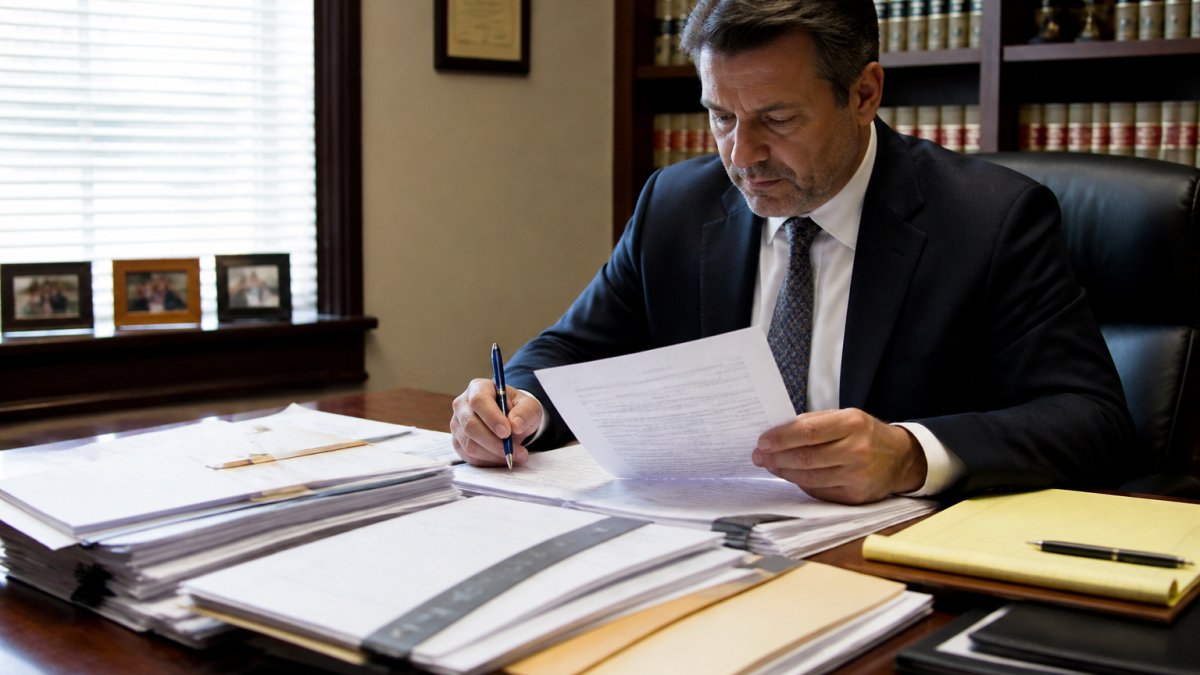
Schedule a detailed meeting to review the charges, evidence, and prosecution’s case. Discuss the likely witnesses and what they’ll testify about. This conversation is foundational to everything that follows.
Free Confidential Case Review →
Step 2: Gather Your Documents
Collect all relevant materials: communications, receipts, medical records, employment information, and anything else that supports your account of events. Organize these chronologically and by category so your attorney can find them quickly.
Step 3: Identify Your Witnesses
Make a list of people who can testify on your behalf. Include their contact information and what they can say. Your attorney will decide whether to call them, but having them identified and prepared helps.
Step 4: Review Your Statement
Work with your attorney to prepare a clear, honest account of what happened. Practice staying calm and answering questions directly. Avoid volunteering extra information or getting defensive.
Step 5: Prepare Logistically
Arrange time off work, plan transportation, and know where the courthouse is located. Arrive early. Dress professionally and conservatively. Bring your ID and any documents your attorney requested.
Step 6: Discuss Testimony Strategy
Talk with your attorney about whether you should testify. This is a personal decision with real consequences. Your attorney can explain the pros and cons based on your specific situation.
Step 7: Know the Questions
Ask your attorney what questions you might be asked and how to answer them clearly. Practice responding without anger or frustration, even if questions feel unfair.
Step 8: Understand the Possible Outcomes
Know what probable cause means and what happens if the judge finds it or doesn’t. Knowing the possibilities reduces uncertainty and helps you stay focused during the hearing.
Follow these eight steps to organize your case and approach your preliminary hearing with confidence.
| Step | Action | Purpose |
|---|---|---|
| 1 | Meet with your attorney | Review charges, evidence, and prosecution’s case |
| 2 | Gather documents | Collect communications, records, and supporting materials |
| 3 | Identify witnesses | List people who can testify on your behalf |
| 4 | Review your statement | Prepare a clear, honest account with your attorney |
| 5 | Prepare logistically | Arrange time off, plan transportation, dress professionally |
| 6 | Discuss testimony strategy | Decide with your attorney whether you should testify |
| 7 | Know the questions | Practice answering likely questions calmly and directly |
| 8 | Understand outcomes | Learn what probable cause means and what happens next |
Getting Legal Representation for Your Preliminary Hearing
Having an attorney represent you at a preliminary hearing is one of the most important decisions you’ll make. Your attorney shapes how the hearing unfolds and protects your rights throughout the process.
An experienced criminal defense attorney understands Pennsylvania procedure and knows how to challenge the prosecution’s evidence effectively. They cross-examine witnesses, file motions, and argue for your interests before the judge.
When choosing an attorney, consider their experience with cases like yours. Ask about their track record with preliminary hearings and how they approach defense strategy. You want someone who listens to your concerns and explains the process clearly.
Pennsylvania Rules of Criminal Procedure outline the requirements for preliminary hearings and your rights during the process. Your attorney should be familiar with these rules and how they apply to your case.
D’Intino Law provides criminal defense representation for clients facing charges in Philadelphia and surrounding Pennsylvania counties. With over two decades of trial experience, the firm approaches each case with a focus on understanding the evidence and protecting your freedom. The team is available 24/7 for urgent legal needs and works to keep clients informed throughout the process.
Pennsylvania Criminal Code defines the charges and penalties relevant to your case. Understanding the specific statute you’re charged under helps you prepare meaningful questions for your attorney.
The preliminary hearing is your opportunity to see the prosecution’s case firsthand and begin building your defense. An attorney who prepares thoroughly and advocates aggressively can provide valuable assistance at this critical stage.
You can learn more about criminal defense strategies that apply to preliminary hearing preparation, or understand what steps to take after arrest to ensure you’re protected from the moment you’re detained. For questions about how attorney fees work before you hire representation, those resources can help you make an informed decision.
Preparing for a preliminary hearing in Philadelphia requires understanding Pennsylvania procedure and working closely with an experienced attorney. The hearing is your first real look at the prosecution’s case. Use this opportunity to gather information, assess the evidence against you, and begin building your defense strategy. Contact D’Intino Law to discuss your case and learn about available legal options.
Legal Disclaimer: This article is provided by D’Intino Law Firm, LLC for general informational and educational purposes only and does not constitute legal advice, a legal opinion, or a recommendation regarding any specific legal matter. Laws, regulations, and court decisions may change, and the information presented may not reflect the most current legal developments or apply to your particular circumstances.
Frequently Asked Questions
What is the purpose of a preliminary hearing in Pennsylvania?
A preliminary hearing is a court proceeding where the prosecution must establish probable cause that a crime was committed and that you committed it. The judge does not determine guilt or innocence at this stage. The hearing allows your defense attorney to challenge the evidence and cross-examine witnesses. Depending on the evidence presented, the judge may dismiss charges, reduce them, or bind the case over to the next stage of proceedings. Understanding this purpose helps you prepare mentally and strategically for the hearing.
Do I have to testify at a preliminary hearing in Pennsylvania?
You have the right to testify at your preliminary hearing, but you are not required to do so. Many defendants choose not to testify to avoid giving the prosecution additional information. Your criminal defense attorney can advise whether testifying serves your interests based on the specific facts of your case. The prosecution still bears the burden of proving probable cause regardless of whether you testify. This decision should be made after careful discussion with your lawyer about your circumstances.
Can charges be dismissed at a preliminary hearing in Pennsylvania?
Yes, charges can be dismissed at a preliminary hearing if the judge finds the prosecution has not established probable cause. Your defense attorney may file motions to suppress evidence or challenge witness credibility during the hearing. If the judge finds insufficient probable cause, the charges may be dismissed. However, dismissal at this stage does not prevent the prosecution from refiling charges if additional evidence becomes available. The outcome depends on the evidence presented, the judge’s assessment, and the strength of your defense arguments.
Should I hire a criminal defense lawyer for my preliminary hearing?
Having a criminal defense lawyer represent you at a preliminary hearing is strongly advisable. An experienced attorney can cross-examine prosecution witnesses, file motions to suppress evidence, identify weaknesses in the prosecution’s case, and protect your rights. Your lawyer can also negotiate with prosecutors and advise you on whether to testify. If you cannot afford an attorney, you may request a public defender. D’Intino Law offers experienced criminal defense representation and is available to discuss your case during a confidential consultation.

