


Attorney
Last Updated: November 4, 2026
Quick Summary
Choosing a DUI lawyer in Pennsylvania starts with reading your charging documents and asking each lawyer what they would challenge first in your file. Compare two or three lawyers on their experience in the county where your case is filed, how they communicate, and their written fee agreement.
- Pennsylvania DUI penalties are tiered by blood alcohol concentration and prior record, so match the lawyer to your tier.
- Ask how many Pennsylvania DUI cases the lawyer handled in the past year and whether they appeared in your court.
- ARD is a diversion option for some first-time DUI charges, but eligibility is decided case by case and never guaranteed.
- Ask who will handle your file day to day and whether the founder personally appears in court.
- Request the retainer agreement in writing and confirm what it covers, including trial and expert costs.
Table of Contents
- Start With the Specifics of Your Pennsylvania DUI Charge
- What Pennsylvania DUI Penalties Mean for Your Search
- Questions to Ask Before Hiring a DUI Lawyer in Pennsylvania
- Evaluating Experience With Pennsylvania DUI Cases and Local Courts
- Hiring a Criminal Lawyer in Philadelphia: What to Look For
- Fee Structures, Payment Plans, and What to Expect
- Vetting the Firm: Reviews, Credentials, and Staff
- Schedule a Confidential Case Review With D’Intino Law
- Frequently Asked Questions
Start With the Specifics of Your Pennsylvania DUI Charge
Choosing a DUI lawyer in Pennsylvania starts with understanding your own charge. The facts of your case decide which questions matter most. A first offense looks very different from a third. A refusal to submit to chemical testing raises issues that a standard traffic stop does not.
The first step in any review is the same: read the paperwork. The criminal complaint, the affidavit of probable cause, and the chemical test results each shape what a defense can realistically do.
Why the Initial Case Evaluation Matters
An initial case evaluation is a review of the charging documents, the traffic stop, and the test results to spot legal issues early. Timing matters because evidence can fade. Witness memories weaken. Police reports get finalized. A lawyer who reviews the file early can flag problems before they harden.
Ask what the evaluation covers. A serious review looks at:
- Whether the stop itself was lawful
- How field sobriety tests were given and scored
- Whether the breath or blood test followed proper procedure
- Any prior record that affects sentencing exposure
Pennsylvania law may provide defenses that depend on these details. The outcome depends on the facts and applicable law, so a lawyer should explain what is verifiable in your file, not what sounds reassuring.
What Pennsylvania DUI Penalties Mean for Your Search
Pennsylvania DUI penalties are tiered, and the tier depends on your blood alcohol concentration and your prior record. That structure should shape whom you hire. A lawyer who handles tier-one cases only may not be ready for a case with a higher tier or a prior offense on the record.
The general tiers under Pennsylvania law are described qualitatively below:
| Tier | Roughly Based On | What It Usually Changes |
|---|---|---|
| General impairment | Lower BAC range | Lower exposure, often summary or misdemeanor level |
| High rate | Mid BAC range | Higher fines, possible license suspension |
| Highest rate | Upper BAC range | Most serious grading, greater sentencing exposure |
| Prior offenses | Record-based | Escalating penalties on each later offense |
Those tiers are general descriptions, not a prediction for any case. The exact grading, fines, and license consequences depend on the statute in force and the county where the charge is filed. Confirm current details with the Pennsylvania General Assembly statute database or with a lawyer reviewing your file.
How BAC Levels and Prior Offenses Shape Defense Strategy
A higher blood alcohol concentration narrows some arguments and opens others. It can make a “borderline” challenge less useful. It can make the accuracy of the testing device more important. Prior offenses shift the focus toward sentencing exposure and record issues.
Ask each lawyer one direct question: what in this file would you challenge first, and why? The answer tells you more than any brochure.
Questions to Ask Before Hiring a DUI Lawyer in Pennsylvania
The right questions separate a prepared lawyer from a busy one. Ask them in the first meeting and listen for specifics. Vague answers are a signal.
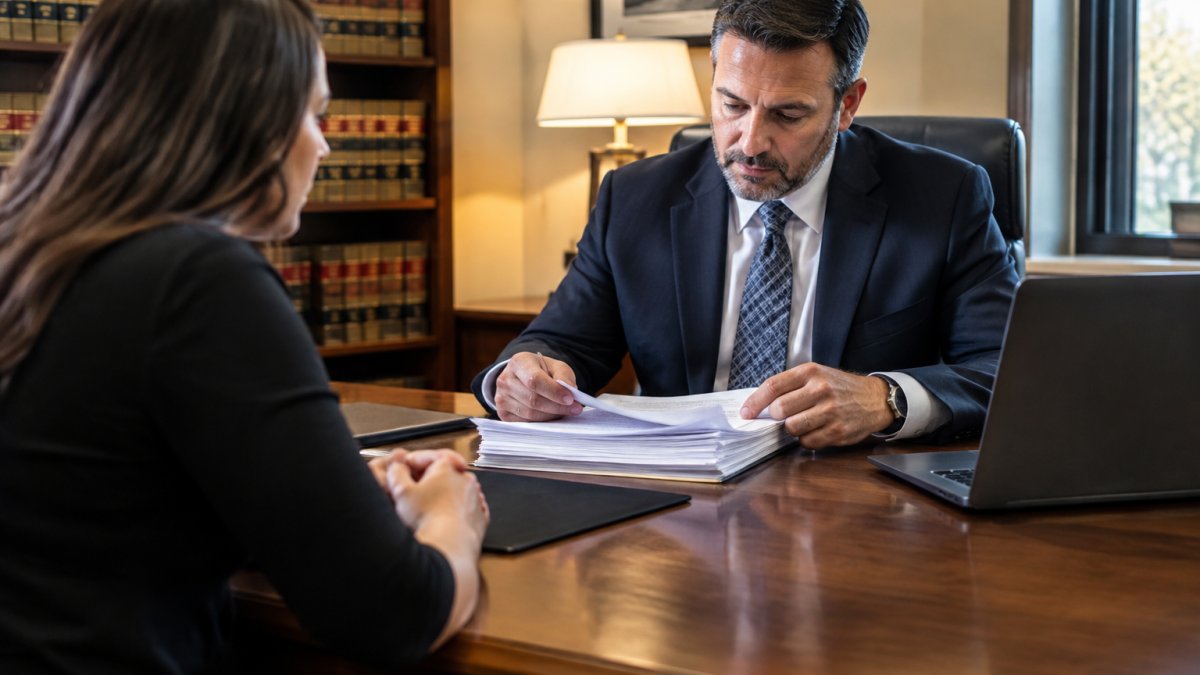
Here is a checklist of questions to consider bringing to a consultation:
-
How many Pennsylvania DUI cases have you handled in the past year?
-
Have you appeared in the court where my case is filed?
-
What do you see in my charging documents?
-
What is your view on the field sobriety tests in my report?
-
How will you keep me informed as the case moves?
-
What is your fee structure, and what does it cover?
-
What happens if the case goes to trial?
Write down the answers. Compare them across two or three lawyers. The one who explains the process clearly and names real issues in your file is usually the one worth a second meeting.
Free Confidential Case Review →
Evaluating Experience With Pennsylvania DUI Cases and Local Courts
Courtroom experience in the county where you were charged matters more than a generic claim of years in practice. Procedures vary. Some counties move cases quickly. Others have different local rules on scheduling, discovery, and pre-trial motions.
Ask where the lawyer actually appears. A Philadelphia DUI case and a case in a surrounding county can follow different rhythms. A lawyer who knows the local players, the judges, and the usual timelines can plan better. (Source: Pennsylvania Department of Transportation (PennDOT))
Understanding Local Court Procedures and the ARD Program
Pennsylvania’s Accelerated Rehabilitative Disposition program, known as ARD, is a diversion option for some first-time DUI charges. Eligibility is decided case by case and depends on the charge, the record, and the county district attorney’s approach. ARD is not available to everyone, and acceptance is never guaranteed.
Ask whether ARD may be available in your situation. Then ask what happens if it is not. A lawyer should explain both paths.
If you were recently arrested and are unsure what to do next, the guide on what to do after arrest in Philadelphia walks through the first steps. If you are worried about a hearing you missed, the article on how to handle a missed court date in Pennsylvania explains the practical options. And if you are dealing with custody or processing after an arrest, the guide on how to pay bail in Philadelphia covers how bail works locally.
Hiring a Criminal Lawyer in Philadelphia: What to Look For
Hiring a criminal lawyer in Philadelphia means checking three things: communication, preparation, and candor. A DUI charge sits inside the broader criminal defense system, so the same standards apply. The lawyer should answer questions in plain language, show familiarity with the courthouse, and be honest about risk.
Communication style is the one most people skip. Ask how updates arrive. Ask how quickly calls are returned. Ask who answers on a weekend. A lawyer who is hard to reach before you hire is unlikely to improve after.
Preparation shows in specifics. Does the lawyer ask for the complaint, the test results, and the dash camera footage? Does the lawyer mention pre-trial motions or evidence suppression as tools, or only a plea bargain? A defense that considers motions, testing accuracy, and constitutional rights is a defense with options.
Candor is the hardest to test. A lawyer who promises a dismissal before reading the file is selling, not advising. No one can guarantee an outcome in a criminal case.
Fee Structures, Payment Plans, and What to Expect
DUI defense fees vary widely by county, charge level, and whether the case goes to trial. Most firms use one of three models:
| Fee Model | How It Works | Watch For |
|---|---|---|
| Flat fee | One price for the case through a set stage | What happens if the case goes to trial |
| Hourly | Billed for time worked | Requests for a written estimate and updates |
| Staged | Separate fees for pre-trial and trial | Clear written description of each stage |
Ask for the retainer agreement in writing. Read what it covers and what it does not. Ask whether payment plans are available and how costs like expert review or testing are handled. A firm that explains its fees plainly before you sign is showing you how it will handle your case.
Vetting the Firm: Reviews, Credentials, and Staff
Reviews and credentials are useful, but only when you know what you are reading. Look for reviews that describe communication and preparation, not just a good result. Look for peer review ratings and professional memberships that can be checked independently.
Staff matters too. Ask who will handle your file day to day. Ask whether the founder personally appears in court or hands the case to a junior lawyer. Ask how the office handles urgent calls after hours.
A firm’s published results can show the kind of work it does. Examples of prior case outcomes are illustrative only and do not guarantee similar results in any other case. You can review an example of a withdrawn criminal charge to see how the firm describes its work.
Schedule a Confidential Case Review With D’Intino Law
A DUI charge moves fast, and the decisions you make in the first weeks shape what comes later. D’Intino Law offers a free confidential case review with founder John D’Intino Jr., who has over two decades of trial experience. Contact the firm to ask about its availability and payment options.
Bring your charging documents and your questions. An attorney can review the file, explain the process, and outline the legal options that may be available. Browse more criminal defense topics on the firm’s blog before you call, or get started with D’Intino Law and schedule a confidential case review today.
Choosing a DUI lawyer in Pennsylvania is a decision about preparation and trust. Take the meeting, ask the checklist questions, and read the fee agreement before you sign. If you want a straight answer about your options, contact D’Intino Law to discuss your situation and learn what a defense review can show you.
Legal Disclaimer: This article is provided by D’Intino Law Firm, LLC for general informational and educational purposes only and does not constitute legal advice, a legal opinion, or a recommendation regarding any specific legal matter. Laws, regulations, and court decisions may change, and the information presented may not reflect the most current legal developments or apply to your particular circumstances.
Frequently Asked Questions
How much does a DUI lawyer cost in Pennsylvania?
There is no single fee for DUI representation in Pennsylvania. What you pay depends on the county, the complexity of the charge, whether the case goes to trial, and the attorney’s experience. Some lawyers quote a flat fee for the whole case, while others bill hourly or require a retainer. Ask directly during your consultation about the total estimated cost, what the fee covers, and whether payment plans are available. Get the fee agreement in writing before you commit.
Is a lawyer worth it for a DUI in Pennsylvania?
Whether to hire counsel is a personal decision, but a DUI charge carries consequences that can affect your license, record, and employment. A lawyer can review the traffic stop, challenge field sobriety tests or breath test results, negotiate with prosecutors, and explain options such as the ARD program where eligible. Pennsylvania law may provide alternatives depending on your record and the facts. An attorney can evaluate your circumstances and outline the available legal options.
What should I ask during a consultation with a Pennsylvania DUI lawyer?
Ask how many DUI cases the lawyer has handled in the county where you were charged, whether they regularly appear in that courthouse, and how they approach pre-trial motions and evidence suppression. Ask who will handle your case day to day, how often you will receive updates, and what the fee covers. Also ask about ARD eligibility and what defenses may apply to your situation. A clear, specific answer is a better sign than a promise of a particular result.
What is the difference between a public defender and a private DUI attorney in PA?
A public defender is appointed if you cannot afford counsel and meets eligibility requirements, and defenders often carry heavy caseloads. A private attorney is hired directly and typically offers more time for your case, but you pay for that representation. Neither option guarantees an outcome. The right choice depends on your finances, the seriousness of the charge, and how much individual attention your case needs. An attorney can help you understand what each path involves.

